

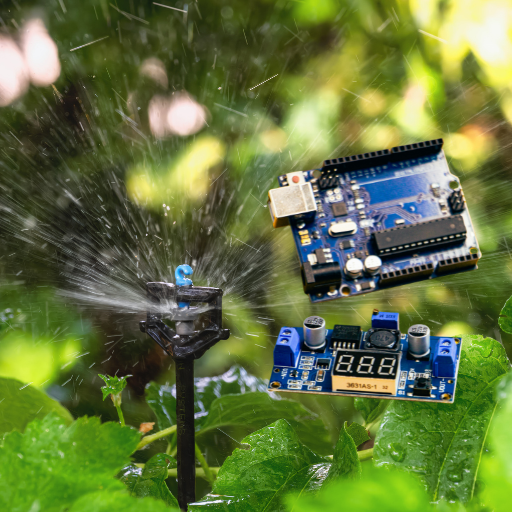
In projects like automatic garden watering, two worlds collide: plumbing and electronics. To prevent short circuits or unexpected flooding, it is crucial to follow basic protection and safe installation rules.
1. Sealing the Plumbing Components
Without perfect sealing, water will eventually find its way to your electronics. When working with valves and pipes, consider the following:
- Teflon Tape: Always use Teflon tape when screwing a solenoid valve onto a thread. Wrap it clockwise so the joint stays tight during tightening.
- Hose Clamps: Secure all hoses attached to fittings with metal clamps. Water pressure can pop a hose off in an instant when you are not around.
- Placement Strategy: Always mount the electronics above the plumbing. If a leak occurs, the water will flow downwards and won't travel along the cables directly into the microcontroller housing.
2. Insulation of Electronic Components
Moisture is the biggest enemy of electrical connections. Ordinary electrical tape is not sufficient for outdoor conditions:
- Heat-shrink Tubing: For connections near moisture, use heat-shrink tubes. When heated, they airtightly grip the cable and prevent copper oxidation.
- Waterproof Enclosures: Always place your Arduino or ESP32 in a dedicated plastic box with at least an IP65 protection rating (with a rubber gasket).
- Cable Glands: Use cable glands for cable entry points. These tightly grip the cable and prevent moisture from entering the enclosure along the wire itself.
3. "Safety First" Logic
Always include a safety "fuse" in your program code. If the soil moisture sensor does not report any changes after a set period of watering (e.g., 30 seconds), the program should automatically close the valve – this is a clear sign that a hose might have detached or a joint has failed.